
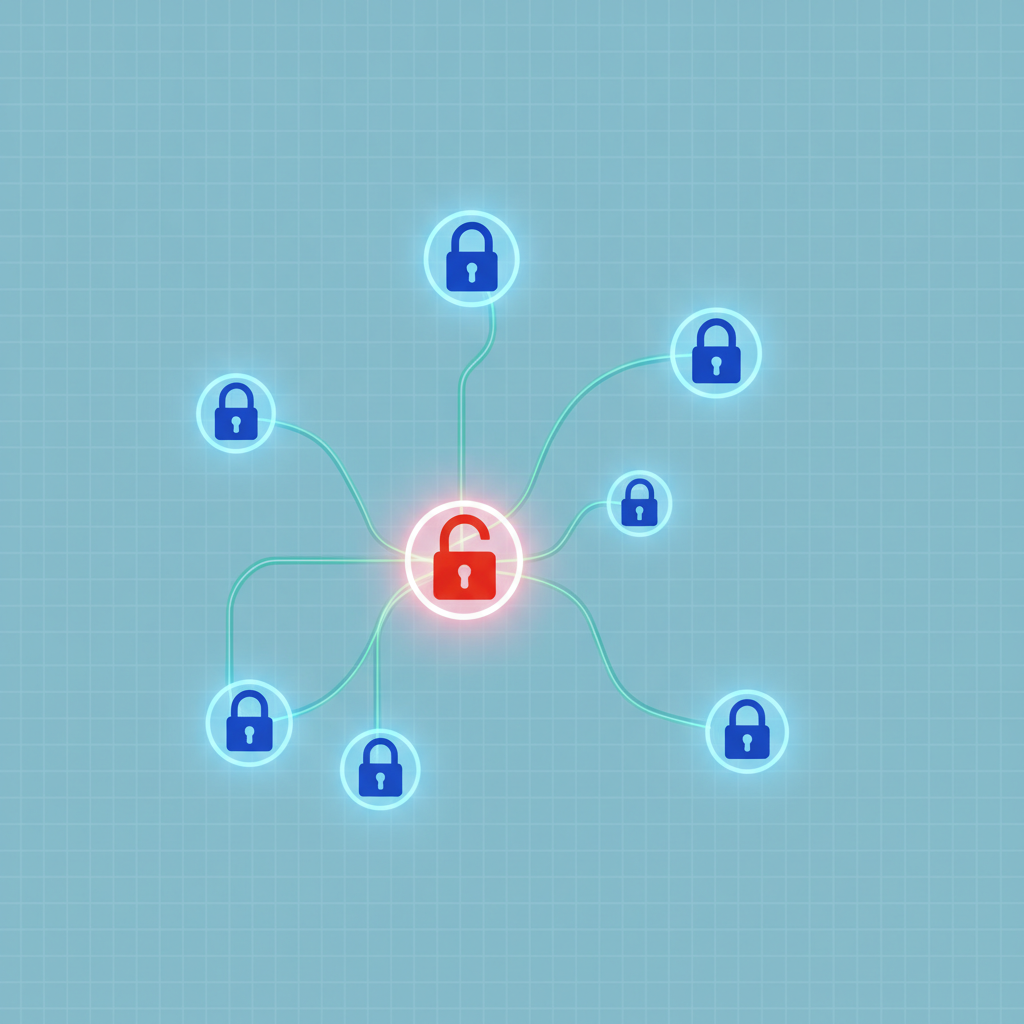
"We'll patch it next maintenance window" is one of the most expensive sentences in small business IT. It sounds reasonable in the moment — patching can break things, nobody wants downtime, and the vulnerability feels theoretical. Then a news cycle like this past week happens, and the theoretical becomes very real.
This Week's Timeline of Consequences
In the span of a few days, four separate stories showed the exact chain of events that turns deferred patching into a breach.
According to The Hacker News, attackers exploited a critical Cisco Expressway flaw using a public proof-of-concept exploit within days of disclosure, breaching four devices and reaching the internal network behind them. That's the pattern: a vendor discloses a flaw, researchers publish technical details, and attackers weaponize it almost immediately. The gap between disclosure and exploitation isn't weeks anymore — it's days, sometimes hours.
Meanwhile, The Hacker News reported that China-linked hackers exploited a CVSS 9.8 zero-day in VMware vCenter to gain admin access and steal data. vCenter isn't a niche tool — it's the virtualization backbone a lot of small businesses rely on without realizing how exposed it is. Nation-state actors don't only go after Fortune 500 companies; they go after whatever infrastructure is reachable and unpatched.
Then there's the hardware problem. The Hacker News reported that SonicWall has warned Gen 6 firewall customers that their devices will no longer receive security patches, even for critical flaws, and that AI-assisted attacks are expected to target them specifically. This is the part small business owners miss: patching isn't just about applying updates, it's about running hardware and software that's still inside its support lifecycle. An end-of-life firewall isn't a cost-saving measure — it's an open door with a vendor sign on it telling attackers it's unlocked.
And for the huge number of small businesses running WordPress or other PHP-based platforms, The Hacker News reported that PHP shipped fixes for seven critical flaws in a single release, including remote code execution bugs. A companion piece from The Hacker News breaks down how one of these, a PHP session flaw nicknamed phpAfterShell, can be turned into full code execution on a server. If you've never heard of it, that's exactly the problem — most small business owners don't track PHP CVEs, but their website runs on it anyway.
The Chain of Events, Simplified
Strip away the technical details and the pattern is always the same:
- A vendor discloses a vulnerability and ships a patch.
- Security researchers or attackers publish a proof-of-concept within days.
- Automated scanning tools find unpatched, internet-facing systems running the vulnerable version.
- Exploitation happens — often without a human attacker manually targeting your business specifically. You just happened to be scanned and found.
This is why "we'll patch it later" is so costly. There often isn't a later. The exposure window between disclosure and mass exploitation keeps shrinking, and automated attack tools don't care whether you're a 12-person accounting firm or a Fortune 500 — they care whether your software version matches a known exploit.
What Small Businesses Should Actually Do
Patching everything immediately isn't realistic for a lean IT team, so prioritize by exposure and severity, not alphabetical order:
- Internet-facing systems first. Firewalls, VPN appliances, remote access tools, and public web servers get patched before internal workstations, because they're what attackers scan for.
- Check support lifecycles, not just patch availability. If a device is end-of-life like the SonicWall Gen 6 firewalls, no patch is coming — budget for replacement now, as we discuss in our guide to EOL server refresh cost vs. breach risk.
- Track CVEs for the specific software you run, not just general security news. If you run WordPress or any PHP app, the recent PHP RCE flaws deserve immediate attention — see our PHP RCE vulnerability action plan for a concrete checklist.
- Use a prioritization framework. Not every CVE needs an emergency patch window, but critical, internet-facing, actively-exploited flaws do. Our post on CVSS 10 critical vulnerability prioritization walks through how to triage without burning out your team.
Skipping MFA creates a similar risk calculus — easy to defer, expensive to ignore — which we cover in what happens when you skip MFA.
Next Steps
The incidents above weren't hypothetical — they happened this week, to real organizations running real software. The businesses that got hit weren't necessarily targeted; many were simply found by a scan running against known vulnerable versions. Proactive scanning catches those same exposures before an attacker's automated tool does.
Oscar Six Security's Radar scan checks your external attack surface for exactly these kinds of unpatched, internet-facing risks — for $99 per scan, with no long-term contract. It's a fast way to find out whether your firewall, web server, or admin panel is sitting exposed the way the Cisco, VMware, and SonicWall devices were this week.
Focus Forward. We've Got Your Six. See Radar and our other solutions.